Inpatient Catheter Insertion
Learn about the various catheters and tubes that help reduce patient discomfort during long-term hospitalization, including PICCs, chemo ports, drainage tubes, and gastrostomy tubes.
Inpatient Catheter Insertion
Inpatient Catheter Insertion
Learn about the various catheters and tubes that help reduce patient discomfort during long-term hospitalization, including PICCs, chemo ports, drainage tubes, and gastrostomy tubes.
Reducing the discomfort of repeated injections
with central venous catheters
Central venous catheters
that reduce the discomfort
of repeated injections
Insert a drainage tube
that drains secretions accumulated in the body.
A drainage tube is inserted
to drain secretions that build up in the body.
*
*
*
Central venous catheter.
When is it needed, and what type?
Central venous catheter.
When is it needed, and what type?
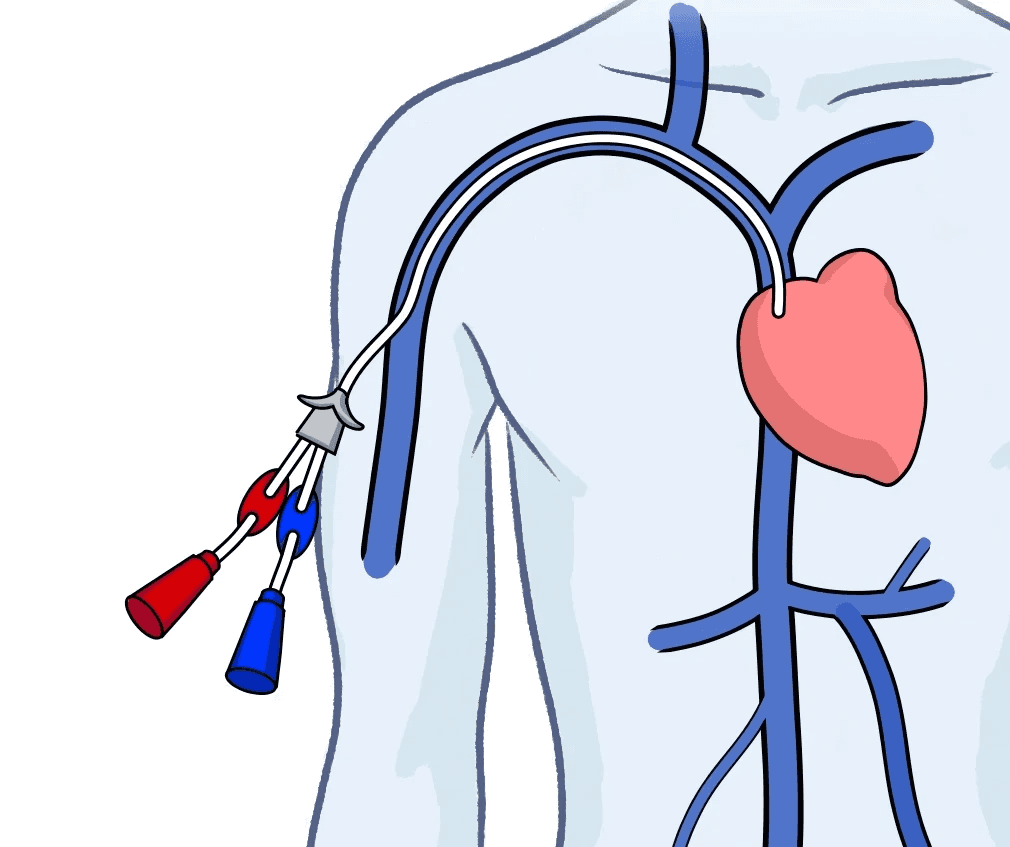
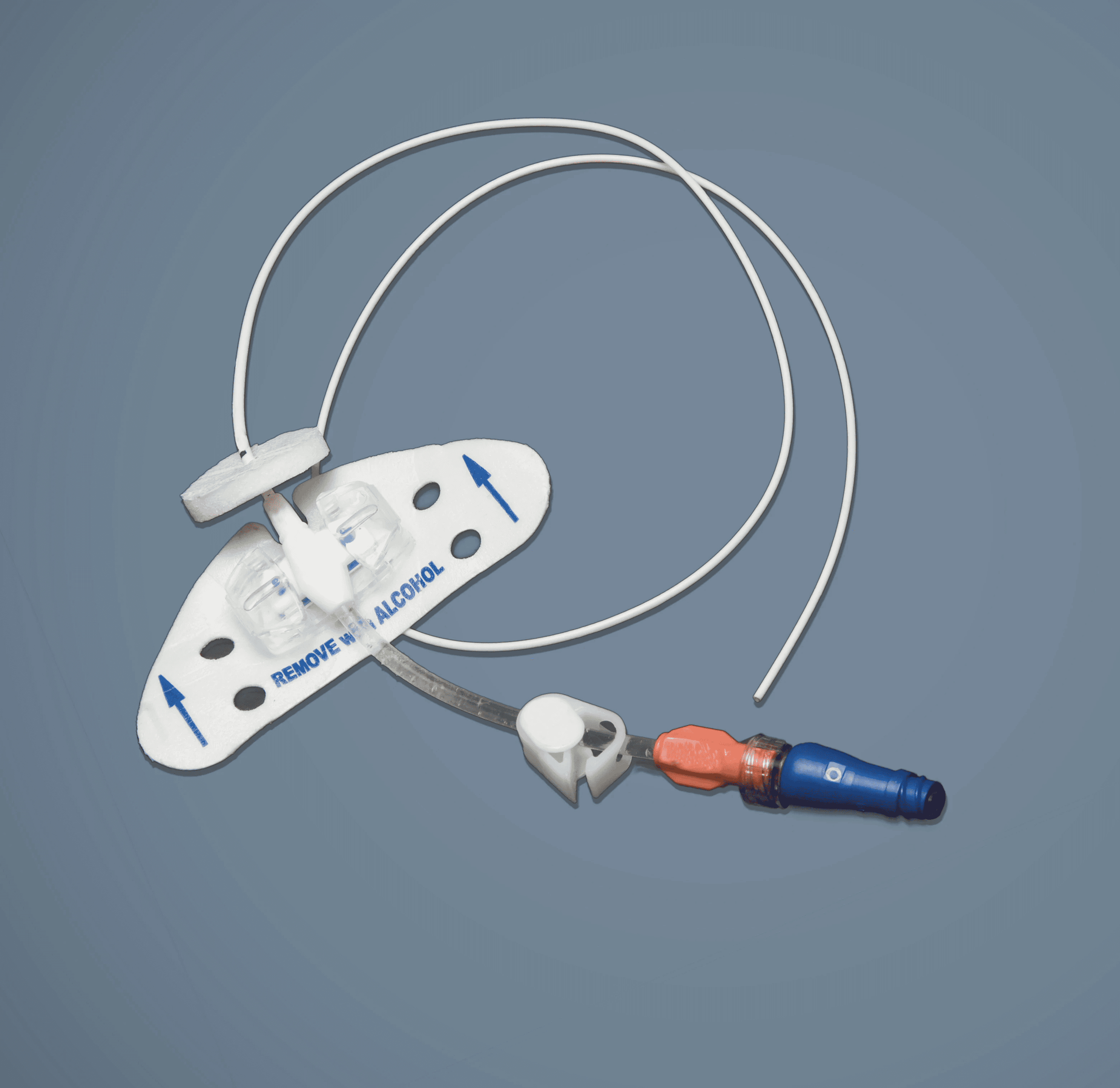
PICC
A tube for long-term fluid therapy, nutrition support, and blood tests.
Unlike regular IV lines that must be moved and used at different sites, once inserted it can be used for a long time, significantly reducing the pain of repeated needle sticks.
PICC
A tube for long-term fluid therapy, nutrition support, and blood tests.
Unlike regular IV lines that must be moved and used at different sites, once inserted it can be used for a long time, significantly reducing the pain of repeated needle sticks.
When establishing intravenous access is difficult, or when long-term injections are needed
It is inserted into the upper arm.
During hospitalization, IV fluids, antibiotic administration, nutritional support, and blood sampling are easier.
A PICC is used when securing venous access is difficult or when long-term injections are needed.
It is inserted into the upper arm.
During hospitalization, it makes IV fluids, antibiotic administration, nutritional support, and blood draws easier.
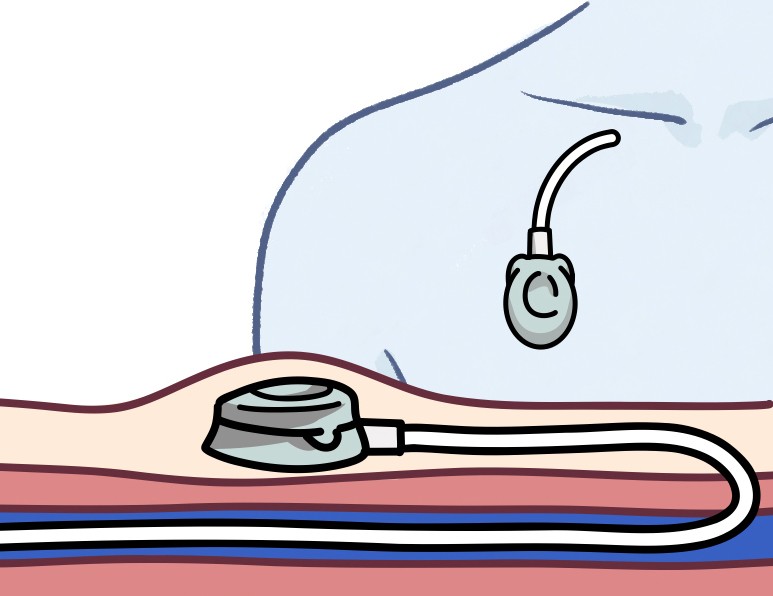
Chemo port
A chemo port is a tube used for chemotherapy, periodic IV therapy, or nutritional support.
After it is inserted under the skin and the wound heals, one advantage is that bathing and swimming are possible.
Chemo port
A chemo port is a tube used for chemotherapy, periodic IV therapy, or nutritional support.
After it is inserted under the skin and the wound heals, one advantage is that bathing and swimming are possible.
When it is difficult to secure a vein for periodic anticancer drug injections
It is implanted under the skin below the collarbone for use.
A chemo port is used when repeated anticancer drug injections are needed and it is difficult to secure venous access.
It is implanted under the skin below the collarbone and used.
*
*
*
Drainage tube.
When is it needed?
Drainage tube.
When is it needed?
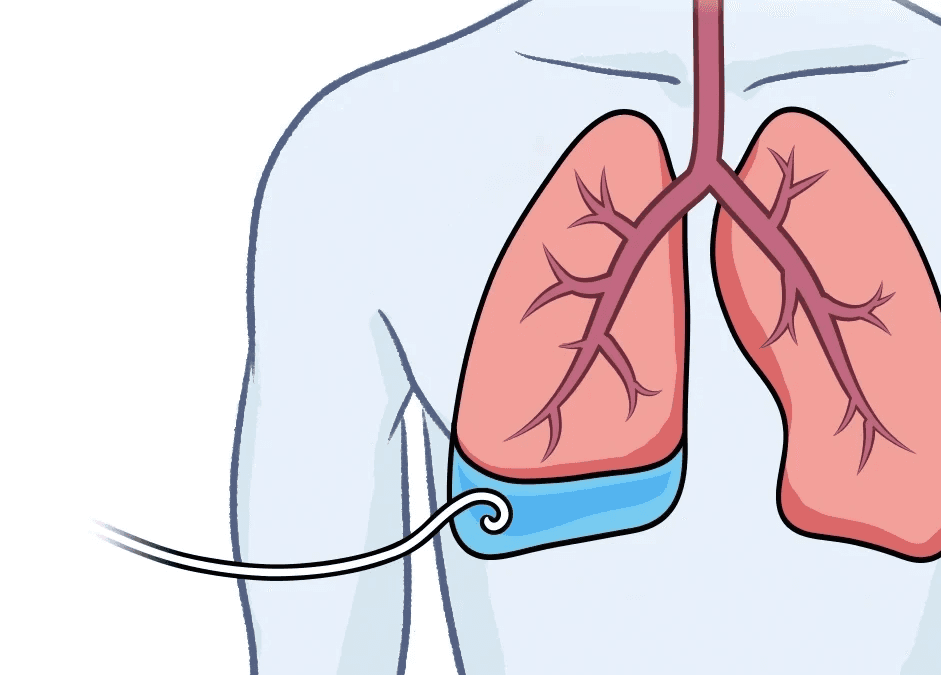
Drainage tube
When pleural effusion, ascites, urine, bile, and other fluids accumulate in the body during hospitalization and cause problems, a tube is inserted to drain them.
The drainage catheter is safely inserted using ultrasound and fluoroscopy, and afterward it can be managed, replaced, and removed according to the patient's condition.
Drainage tube
When pleural effusion, ascites, urine, bile, and other fluids accumulate in the body during hospitalization and cause problems, a tube is inserted to drain them.
The drainage catheter is safely inserted using ultrasound and fluoroscopy, and afterward it can be managed, replaced, and removed according to the patient's condition.
When a large amount of pleural effusion develops and breathing becomes difficult,
when uncontrolled ascites develops,
When the bile ducts or urinary tract are blocked and bile or urine drainage is difficult,
Otherwise, it is inserted when pus has accumulated in the body.
Drainage tubes are inserted when a large pleural effusion develops and breathing becomes difficult,
or when ascites develops that cannot be controlled.
They are also inserted when the bile ducts or urinary tract become blocked, making it difficult to drain bile or urine,
and when pus has collected inside the body.
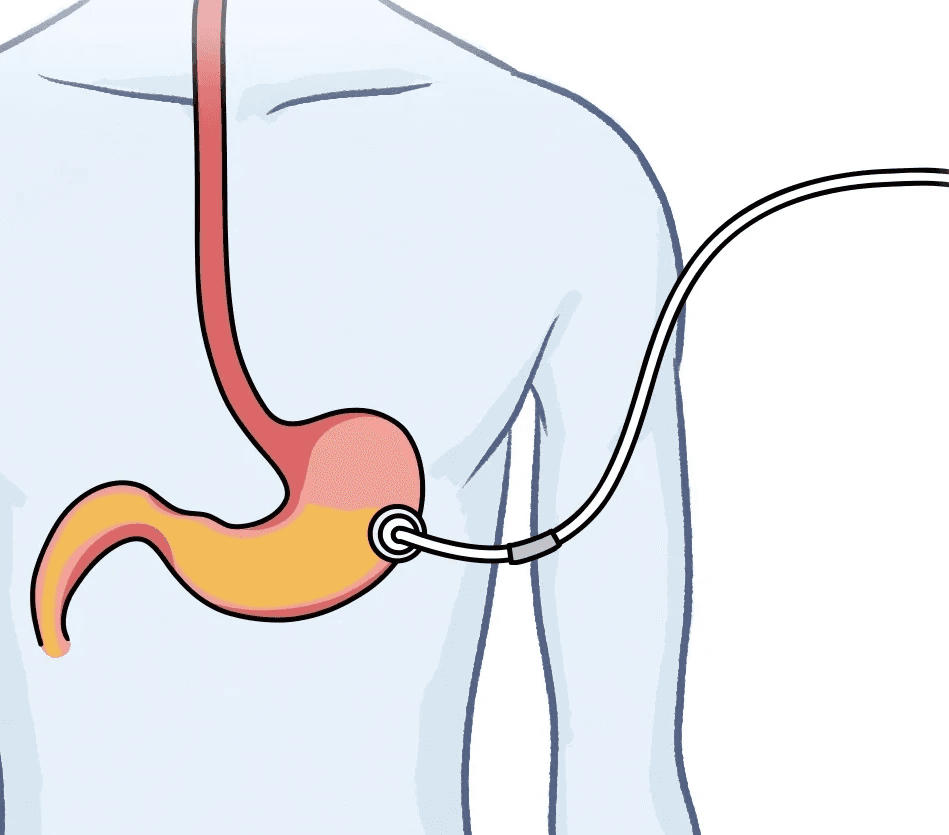
Gastrostomy tube replacement
It is needed when you cannot eat food by mouth for a long period of time.
The inserted gastrostomy tube (balloon type) must be replaced every 6 months.
